Thursday, 13 January 2022

Old Vic Ticks

Still house and work bound (been busy with both family and making various investments recently to save up for the farm- going pretty well, will update on how my 'natural capitalist' adventure is going soon). So still mincing around the garden and been having a look at fungi recently with the help of Lee Dingain. Here's a few which are new species for the Old Vic (now on 1023). 


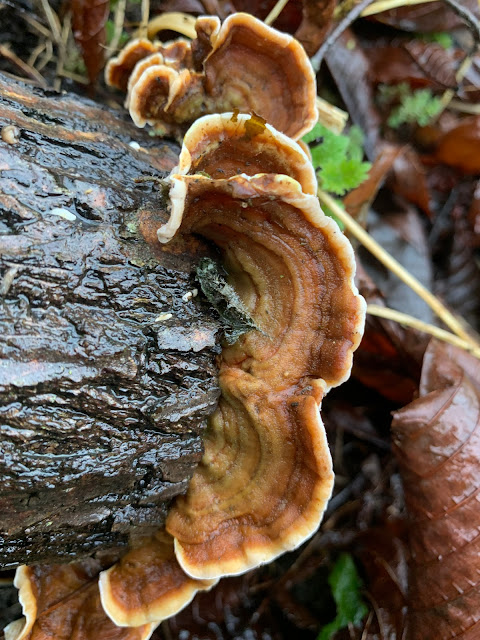
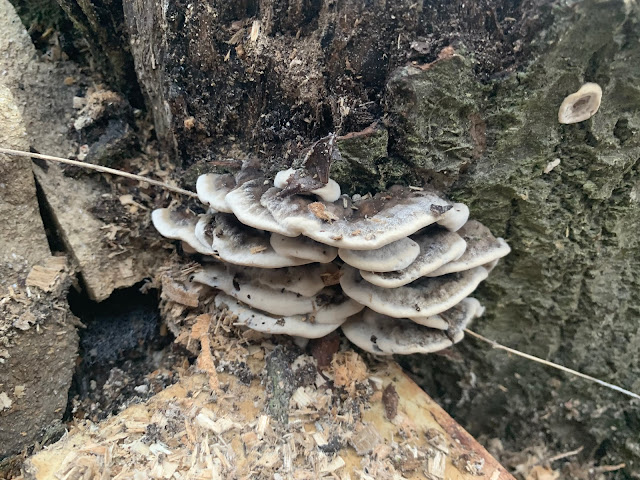
Hairy Curtain Crust Stereum hirsutumn (above and below). Also known as False Turkey-tail. 
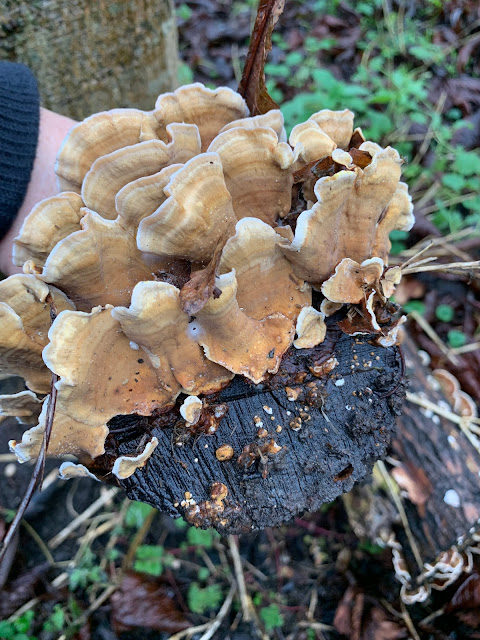
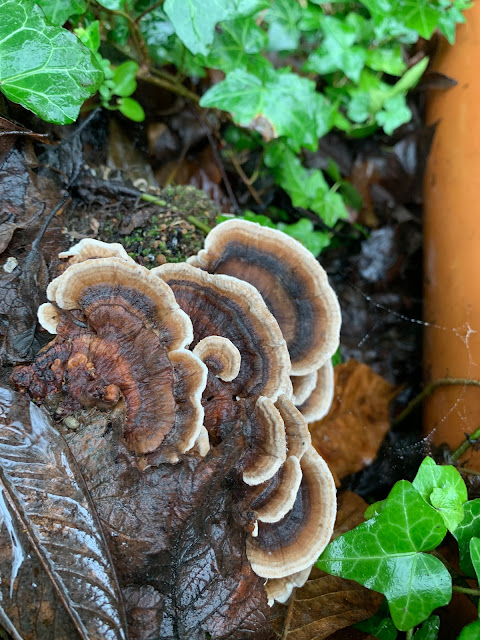
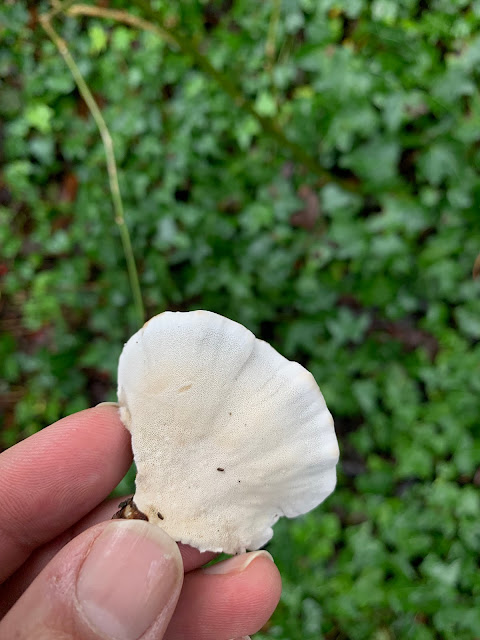
Turkey-tail Trametes versicolor (Probably this species, Lee wanted to looked at the pore spacing more closely, images above and below, showing the underside below and the difference to 'False Turkey-tail' or Hairy Curtain Crust also featured in this post, with Turkey-tail being white on the underside ) 

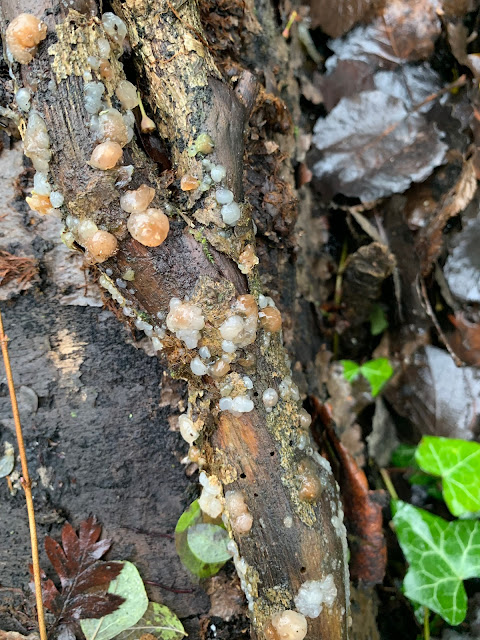
An Exidia sp, probably nucleata also known as Crystal Brain.
Possibly Smoky Bracket (Bjerkandera adusta)
A table from the Pan Species Listing Facebook group showing the total number of species in different groups. There are 15000 species of fungi in UK compared to 620 odd species of bird. I'm hoping Lee will visit soon so we can explore for more garden lifers. 

Tuesday, 11 January 2022

Not allowed to be happy according to former lead conservation adviser at Natural England

According to the former lead conservation adviser at Natural England, Jonathan Hickling (now retired),  I'm not allowed to be positive about the new nature conservation framework and the capitalisation of nature. Check out his comments on this Birdguides facebook post below (the comments were removed from the post so I've reproduced them here also with the other interesting comments he was making ). He launches into an attack on me for being positive and keen to embrace the new changes and to deploy a diverse strategy  to maximise opportunities (he calls that a rosy and narrow view) and even though my family are successful nature conservation/nature friendly small holding farmers and horticulturists/arborists he calls me a private sector worker with unfounded views, told me before I comment I should research first and someone who doesn't understand rural communities and that I live in a private working world cocoon. None of that is true considering I work from a rural small holding (where my brother lives and my other brother is an organic farmer in Bulgaria) in North Surrey where we operate our arboriculture/horticulture business and have spent a lot of time volunteering in the public sector at Beddington Farmlands and working in Localism. I also live in a rural village in Bucks with a pheasant hunting father in law, a father in law whose mates are all farmers. 

Hickling also dismisses projects like Knepp and celebrity led re-wilding and the whole boom in private companies jumping on the re-wilding band wagon, dismissing it as a millionaire culture. I agree what he says when not all farmers are millionaires (e.g, some hill farmers) but a lot of them are, especially round here! Maybe he is echoing others people's concerns of a private wildlife inaccessible to the public- but a lot of RSPB and wildlife trust reserves are mostly inaccessible and kept low profile from the public anyway.   

These senior government advisers (or at least former ones) don't do themselves any favours in terms of dispelling the myths of being detached from the people they are supposed to be representing. He sounded a bit worked up and really upset about Brexit and referred to an optimistic past and looks like a bit of an old boy. I can sympathise that things didn't turn out the way they had hoped, in the way they wanted but attacking people who still have a bit of hope and keen to look for a new road ahead is a bit odd.   I didn't vote for Brexit for fucks sake, I wrote Revolution not Referendum on my ballot paper as I want to see Proportional Representation in this country and the introduction of multi-value indices to replace GDP (like New Zealand). If I can't live in a country that does that I'll create a parallel structure (a bubble) that creates that around me.   It was actually an interesting conversation/debate and very helpful for me so I don't know why he deleted it. I was agreeing with him for most of it just could have done without the offensive patronising that clearly reveals some deep prejudices and polarised opinions (maybe the problem of 'lefties' that I keep sensing).   


Monday, 10 January 2022

Ultra Low Carbon Birding

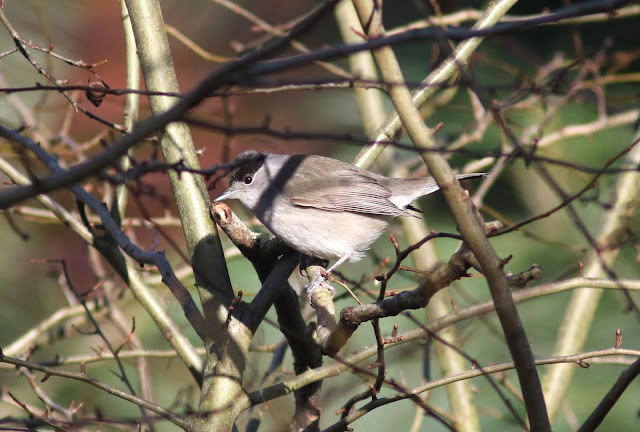
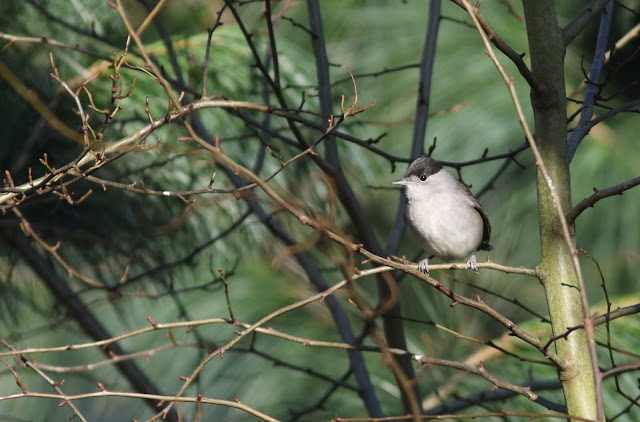
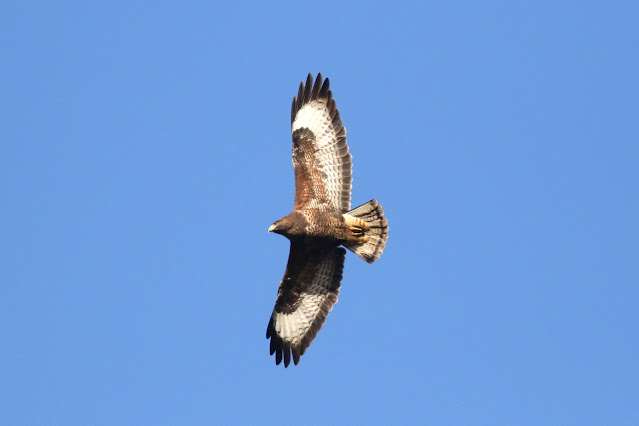
New baby lockdown continues and I still haven't been able to do anything but garden birding. Garden year list now on an ultra low carbon 39:  HERE. Highlight was a male Blackcap yesterday and with a bit of sun, the raptors were up and had my first Common Buzzard of the year. 


Male Blackcap (aboves)
Adult Buzzard- aged by thick black broad band on trailing edge to wing and sub-terminal tail bar
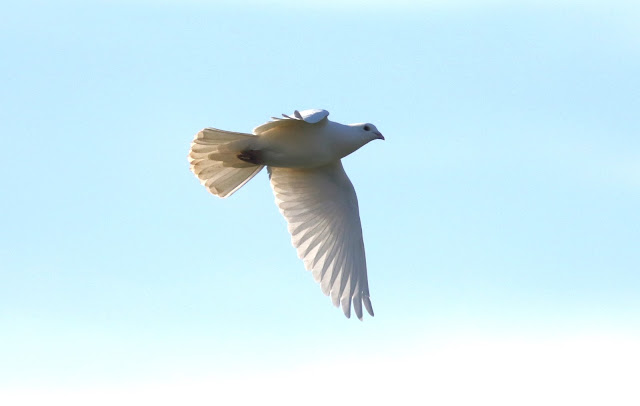
Desperate times call for desperate measures- I'm having this as 'Feral Pigeon/Rock Dove'. 


If you follow low carbon birding to it's logical conclusion then ultra low carbon birding (garden birding) is where the most committed devotees should end up. Cycling round on asphalt roads on carbon fibre bikes dressed in lycra (I only found out today that lycra is petrochemicals- silly boy) has a higher carbon footprint than staying in the garden birding (especially if you're not dressed in lycra).

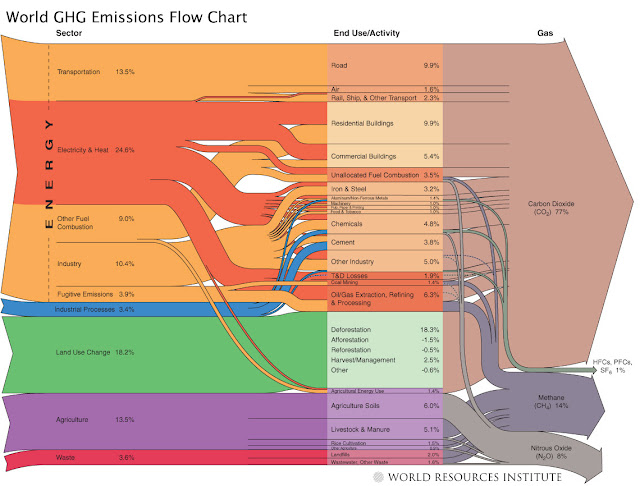
I would rather just look at other areas that make up my carbon footprint and make changes there rather than cutting back on birding experiences and compensate the carbon footprint of those experiences by planting, buying land and rewilding it etc.  Here's the global sources of carbon (below chart). Seems like cutting back on my cement which is 3.8% of global emissions is better than cutting back on my flying (1.6%). 

Any birders not willing to approach the climate and ecological emergency holistically will probably be compelled to drift towards ultra low carbon birding. Funnily enough I'm actually getting into garden birding more anyway.   


Sunday, 9 January 2022

The Problem with Lefties in Birding (Time for a new story?)

Last week the UK government launched their new policies for nature. The response from the Daily Mail was outrage ANGER AND RAGE HERE and MORE UMBRAGE. You would have thought bad news for the far right would be good news for the far left (see disclaimer below). However it would appear that 'nobody' is happy with very little this week in the way of celebration in the nature conservation social media or birding media about the nature conservation revolution. That revolution is the greatest change to land management for nature in the UK in over 50 years. It is part of a whole series of policy and law changes that include a 25 year Environment Plan, a Nature Recovery Network, a 30 by 30 target (30 percent of the UK to be managed primarily for nature by 2030), a new Environment Bill, a new Agriculture Bill, a Net Biodiversity Gain Framework for new developments, Carbon markets, Natural Capital markets, Public money for public goods to farmers (paying farmers to grow nature via ELMs), government backed massive Re-wilding initiatives and the official replacement of the EU highly destructive Common Agricultural Policy (CAP). 

All this has been carried out by a Conservative Government (see below disclaimer) with the underlying ideology being one of incentivising markets and using metrics to deliver biodiversity gains, to redirect funding to farmers (rather than charities) and to basically move away from public spending to NGOs. I presume this is the reason why the traditional nature conservation establishment aren't celebrating?? 

However I can't see many reasons to not be positive (apart from the de-regulation in food standards) and in my life time myself (and anyone reading this) are perhaps unlikely to see a similar complete overhaul of nature conservation policy of this scale. Even if this is not a long term state (the world is changing so fast, complete policy overhauls could become more regular events) , it is almost certainly the state for the foreseeable, a decade or so. So this is a new beginning and the beginning of a new chapter in nature conservation. Personally I think it is something to celebrate and I am very positive about. 

With eco-anxiety a real issue, it's important to be mindful of the impact a narrative can have on the chances of success. The narrative the RSPB (and most NGOs)  are still spinning is that nature is in trouble (who can disagree with that, even the most broadest definitions of nature raise concerns) and the answer is for people to put their trust and money in NGOs to solve it. I find that story absolutely nauseating - probably because I'm heading towards 50 years old  (and been turned over by the conservation establishment on many occasions for championing people power nature conservation) and been hearing it for half a century and every year I give my money and every year things get worse and worse with the red data list species growing longer and longer.  Maybe we are in a death spiral with nature and are all heading towards self extinction and our only hope was the NGOs (who have consistently failed) but that is a bleak conclusion and also a self fulfilling prophecy- the story we tell ourselves is partly responsible for the reality we create. It's more likely that the old system needed an overhaul and here we are- we have got a new nature conservation system. It's not going to work if the traditional nature conservation establishment keep trying to convince people it won't work in order to preserve their traditional culture. There are a lot of jobs tied up in tradition but tradition is the enemy of change.

So change is the enemy of tradition, which might explain why social media hasn't been ablaze with celebration. Nature conservation by it's own nature (conservation and managing change) seems to attract its fair share of traditional minded people. Also to me seems like the traditional left (see disclaimer below) has been gatekeepers of nature conservation in the past decades and there is a grieving that is occurring from this left leaning (see disclaimer) community. The new changes are all about transplanting nature into the DNA of the system, an emerging sustainable system. It's about embedding nature into farming more, embedding nature into development, embedding nature into corporations, embedding nature into the very blueprint of society. This is a great cause for celebration. This is a shift from nature being treated by charities as an externality (that needed counter measures) of the core value system of society to nature being part of that core value and no longer external to it. In a way traditional nature conservationists have succeeded, but in doing so have sacrificed themselves. That needs celebrating too and maybe compensating even. Time will tell.         

So surely it's now time to change the story. What a load of bollox the message in the film Dont Look Up was, basically a story about traditional US neo-liberals/democrats (Laurence and Di Caprio playing undervalued scientists)  trying to save the world (from an asteroid impact metaphor for climate change)  but where thwarted by traditional right wing/republicans (Streep playing a female Trump with her nepotistic advisor , Hill and a deluded crony businessman, Rylance). The film was a fun xmas comedy and I enjoyed it but the bullshit on social media about the importance of the message is alarming! Its basically saying the right are a threat to the existence of the planet. If taken seriously this is a war footing narrative.  This is dangerous and divisive ideology. Of course, it was just a comedy and the message was a bit silly but funny. However it does highlight the anxiety and vulnerability there is out there. How can anyone read anything too serious or meaningful into Don't Look Up? These traditional left-right divide stories are not only boring now but also potentially harmful. 

We need a new story, a story of environmental unification (of traditional groupings) and the embracing of the new opportunities in the emerging sustainable society. We need wild dreams and wide visions. For me (a hopeless dreamer and optimist) that wild dream is in owning my own nature reserve and being part of building the 30 by 30 vision, by adding a piece in the nature recovery network in the UK, by doing all I can to help develop the Beddington Farmlands nature reserve in London and also being part of the UN decade for biodiversity and working within a global community and travelling the world to help build the global 30 by 30. 

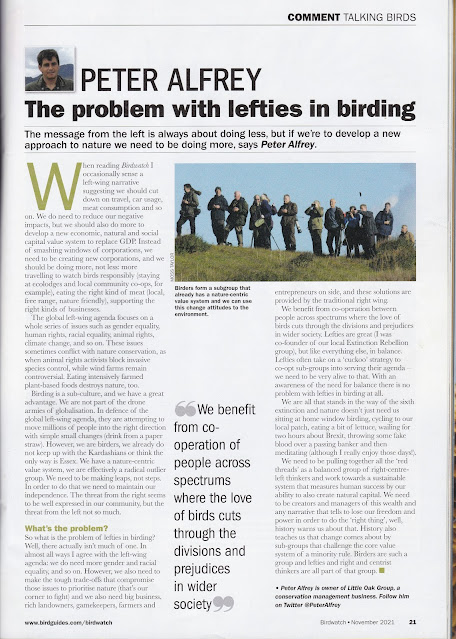
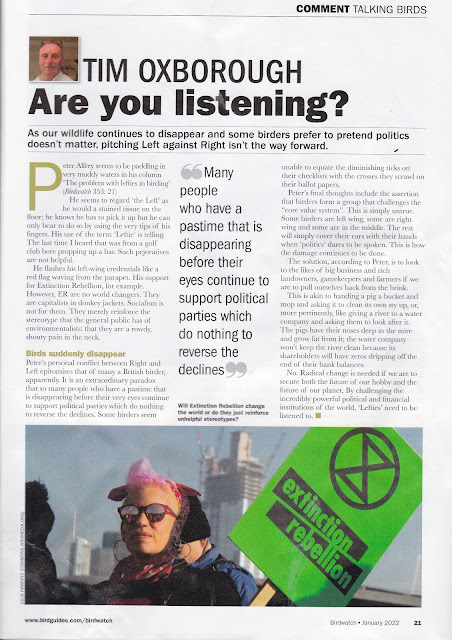
I sense a depression within nature conservation in the UK. The popularity of low energy movements like low carbon birding are both indicators of an awareness of the importance of individual behavioural changes but the trolling and judging that goes along side it (I noticed Steve Gantlett, the former editor of the game changing Birding World in the 1980s through to recent,  has become the target of hateful extremists) is telling of a darker depressed and insecure movement. Anxiety and depression are linked (I know very well having suffered terribly as a younger person and still cope like everyone now) and hopeless stories of increasing red data list species despite decades of trying and failing and the need to retreat into low energy toxic and aggressive states sounds pretty shit to me. I wrote something for Birdwatch about it and the response column to it was very disappointing, incoherent (XR are capitalists apparently- ok agree extremists are herded by capitalists and can be unknowing lackeys but XR are not capitalists)  and more or less proved the worrying point as I was getting at (although thanks to Tim for taking the time to reply and whether you know it or not we are on the same page, which was my point!) . 

The point is its time for new positive story, a story of right and left being fused more closely together (they are anyway but often in a negative way- ie. being riled up by social media algorithms to fight each other) and embracing the global decade of biodiversity and new nature conservation system. This is a story where empowered individuals can make massive differences, an era of people power and private nature conservation working in partnership with charities and academics (truly progressive ones, not rent seekers) and where people detach from traditional global narratives (such as the existence of a left and right divided global community) and start telling themselves a story of creating a new nature filled world. I got annoyed on twitter yesterday seeing a prominent academic moaning about a farmer who had cut their hedges wrong (some ditch improvements)- it's just so depressing, even a 30 by 30 vision means that 70 percent of the UK will be fucked for nature (at the moment its about 95 percent) so don't be surprised when you see that and feel like you have to go to twitter every time someone outside the nature recovery network flails a hedge in the way you don't like. If you don't like what others are doing then become a land owner and do it yourself, there are plenty of incentives and a new framework to facilitate that.   

So that's the story I'm telling myself anyway. I know that's not the story that most others want or believe, it appears things are on a war footing and there is so much momentum and overshoot that a tipping point has been passed as far as I can see. Before the sustainable society becomes crystallised the old tribes of left and right need to 'obliterate' each other (financial and personal power) to make way for new growth. In that obliteration there will be important wins for the future and a new more unified global ideology will be thrashed out and a new world vision for human's place in nature.  Many radicalised people and those who align with the extremes will become victims. The 'cross fire' will wipe out others so nobody is safe. Extremism and polarisation puts everybody at risk. As far as I can see the best way out of that is to keep positive, cross your fingers, keep calm and keep going, keep ducking the bullets, keep focusing on the divine comedy and keep telling yourself a happy story with a happy ending! That's the plan! Here's the birdwatch article and the response article.  


(disclaimer: without getting into too much detail left and right are almost meaningless terms nowadays with many people embracing a complex world view (to serve complex self serving narratives)  constructed from tailor made information streams from the internet multi-media universe but apparently there are still people that just read the UK Daily Mail or the Guardian for their 'news' so I'm using the terms cheekily and loosely to basically refer to people stuck in the old system (not really a main stream anymore but a desiccated canyon formed by ancient largely extinct forces ) with heavily influenced/herded Daily Mail readers (right) and Guardian readers (left)- the extremes of the old information system, apparently these people still exist in their millions in the UK.)     

Tuesday, 4 January 2022

Garden Siskins

Finally managed to get some okayish photos of the Siskins wintering in the garden. The bird feeders are now 'working' and I have slowly habituated the feeding birds to me sitting within a few meters of the feeders with the camera (was thinking of buying a hide but doesn't look like I'll need it). 

Adult female Siskin- presumably an adult as I can't see any moult contrast in the greater coverts
Adult male Siskin, in fresh plumage the cap has fine grey tips (rear crown). Unlike female the breast is un-streaked and yellow
Ageing it as adult male because can't see any moult contrast in the greater coverts and the rectrices look quite rounded too 
A second female Siskin- didn't get any photos of this bird in profile to see to age it 
This is the same female as the first photo but the left side of the head showing either evidence of trauma or disease. The feathering around the eye is missing exposing the outer edge of the eye and presumably dark bases of head feathers are exposed creating a dark mask. Bird feeders can be a source of danger to birds- either as targets for Sparrowhawk attacks or places where diseases spread. Especially during this avian flu outbreak I'm changing the water everyday and disinfecting and cleaner the feeders regularly. I've also positioned this feeder with only one line of attack open to Sparrowhawks which leads into a funnel of Elders, this way the birds just need to check in limited directions and the Sparrowhawk also will have to launch attacks into a wall of foliage which should give everyone a fair fighting chance. 
Winter male Chaffinch 
Female Chaffinch 
Goldfinch- up to 37 Goldfinches in the garden at the moment 
Starlings (above and below). A winter plumaged bird above (heavily spotted with a dark bill) and more summer plumaged bird below (plainer glossy plumage with a yellow bill).  Both young and adult Starlings undergo a complete moult after the summer so are not easy to age or sex apart from close examination of the tail and throat and breast spotting,  preferably in the hand. A prominent green gloss is indicative of an adult male in winter. Will have a closer look at these in future to see if I can work them out. 
Summer males are supposed to have a greyish-blue base to the lower mandible and females it should be whitish. This looks more greyish-blue to me. There has been a lot of Starling song in the past few weeks and birds are already inspecting the holes in the Walnut tree. 
The partially leucistic Redwing remains loyal to the paddock area
Despite it being January there appears to be a bit of pre-breeding activity going on. Starlings were inspecting holes and this Greater Spotted Woodpecker was having a look round the Walnut tree too. A distant Song Thrush has been singing recently (following a long quiet spell in recent weeks/months). Typically Great Spotted Woodpeckers have been drumming and Green Woodpeckers are quite vocal. Blackbirds aren't really singing much yet but Dunnocks, Wrens and Robins are tuning up regularly. I'll try and track all this  through the year in the garden and also try and get some figures on the numbers of breeding territories in the garden too. Should be able to do it all on the new Ebird hotspot for the garden HERE. I might re-brand garden birding to Ultra-low Carbon Birding, in the same way that Local Birding has been re-branded to Low Carbon Birding and then also in the same trend start trolling and judging everyone on the internet who doesn't do it and dares walk out their garden or cycles off on a carbon fibre bike,  rubber tyres or rubber soles on their feet, burning more carbon calories than if they just sat in the chair 4 meters away from the bird feeders like I'm doing. Evil planet destroying local low carbon birding bastards- ultra low is the only right way lol lol. Uber low carbon birding is when you just sit at window looking at the birds outside while on hunger strike with the heating, TV and lights off licking the condensation off the window to keep yourself alive.  

Sunday, 2 January 2022

2022 off the blocks

Happy New Year! It's been a slow start to 2022 with our beloved baby Isaac scuppering any plans I make to actually get out birding. So I've been confined to stealing the odd hour here and there in the garden. Ebird list for new years day HERE. I've also quickly tried to rearrange my local ebird entries into the new hotspots that have been set up in this area and set up a specific one for the garden which should be interesting in monitoring our garden bird life in more detail. The start of that HERE and HERE (still need to add some more past records). Yellowhammer has been the best garden bird recently. 

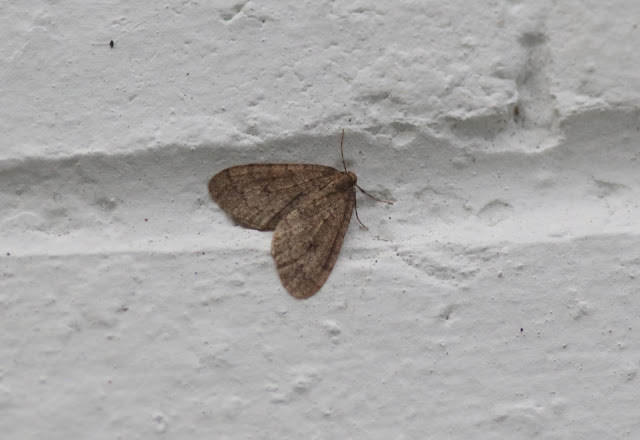
I've had the moth trap out for the last few nights to try and catch a migrant or local moth in these ridiculously mild winter evening temperatures (with perfect migrant winds sweeping up from NW Africa and the Canaries)  but I literally have only caught one moth- a single Chestnut in the trap with the odd Winter moth still on the side of the house earlier last week. Any migrants seem to have been concentrated on the coast and by looks of it (from moth social media) the winds have not intercepted any significant insect dispersal from the source area anyway.  

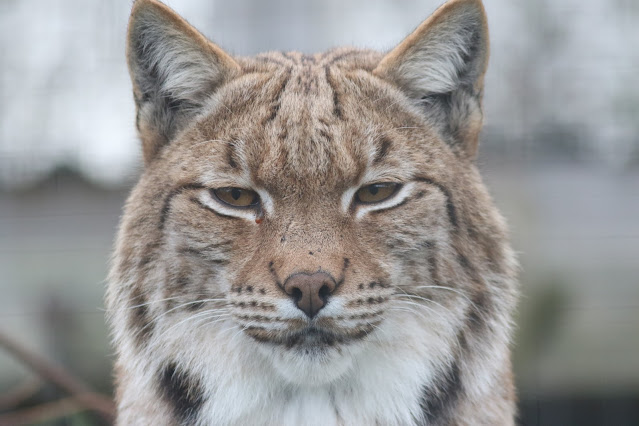
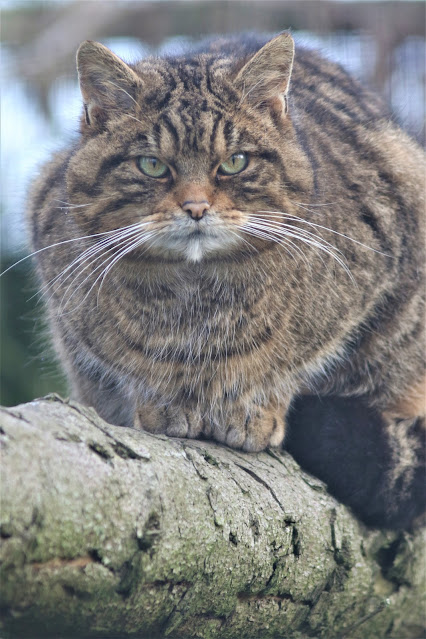
It's still school holiday which means another trip to the zoo today. Interesting to see the Scottish Wild Cats and Eurasian Lynx at Green Dragon Ecology Centre which are being reared for re-wilding projects. 

Spent most evenings over the holidays reading Peter Adriaens and friends Gulls book and Alex Lees and James Gilroys Vagrancy book. Excellent reads ! (and our project publications have got citations in both books so even better :-) ) 

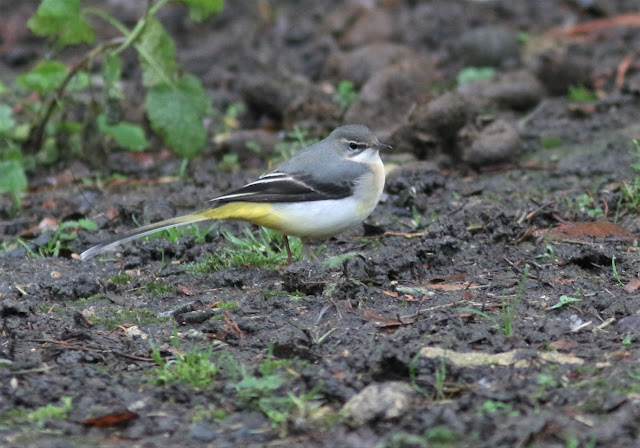
The garden Grey Wagtail - usually present feeding in the pony paddock 
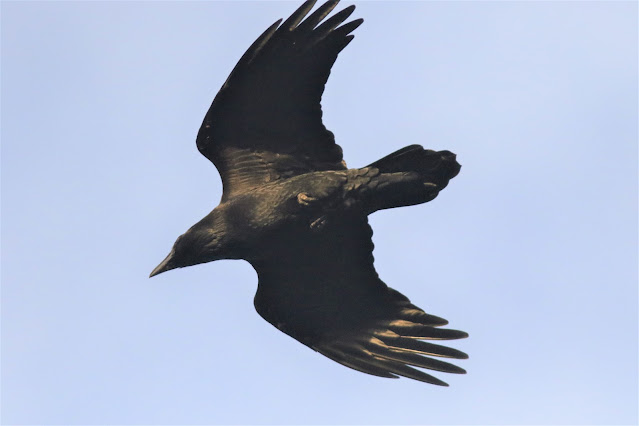
This Raven flew over yesterday, an occasional garden visitor
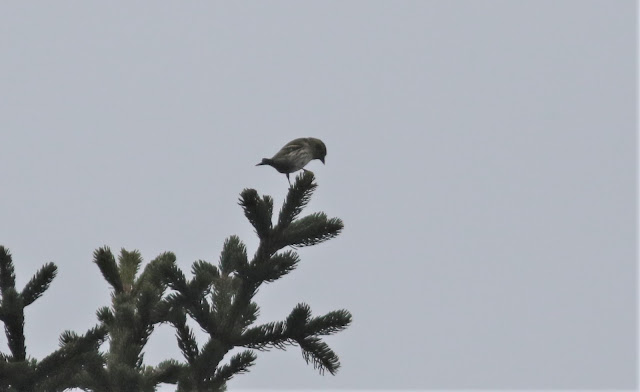
The Siskins are still around- still haven't got a decent photo
Winter moths have been a regular feature of the side of the house in last few weeks
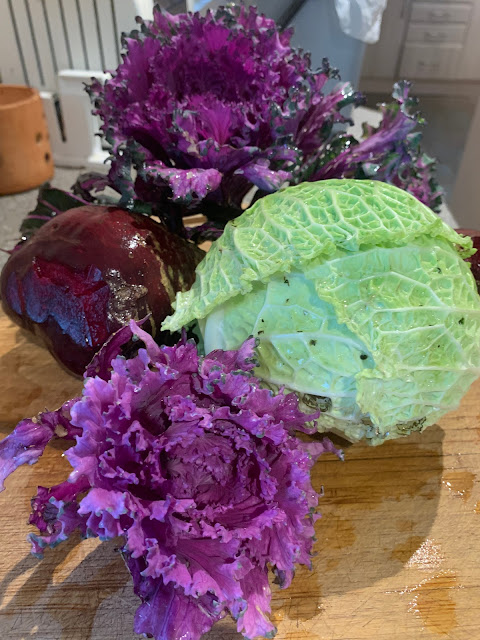
We are still harvesting vegetables from the garden thanks to the mild conditions- this was a our New Year's day dinner
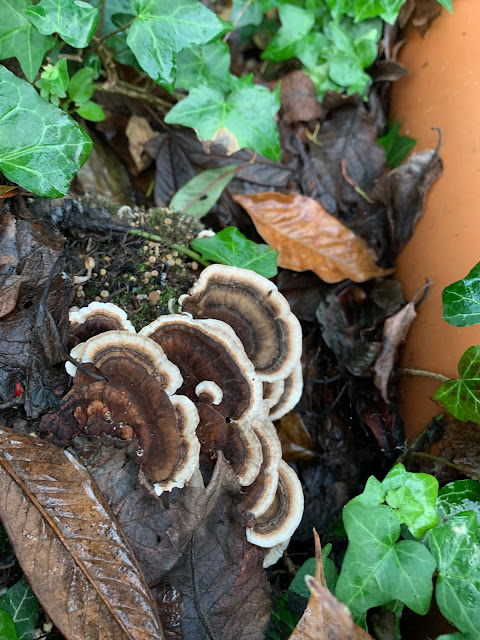
This could be Turkey-tail fungus. Apparently I need to check the underside (thanks Lee for making me look at fungi properly!) 
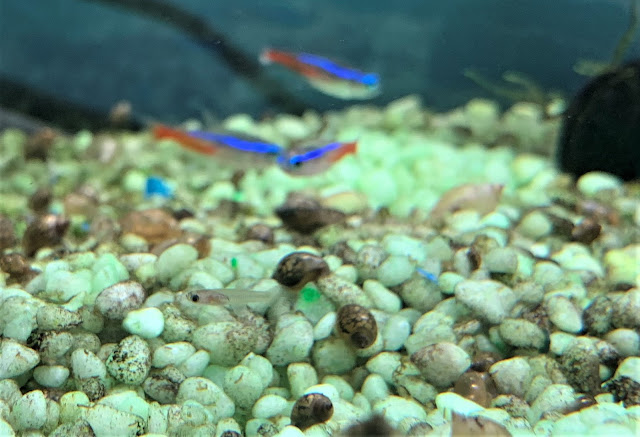
Big news from the mini-zoo, we have accidentally bred our first fish- a small sword tail guppy (barely visible in this image) which coincided with the death of its mother (which apparently is quite common)
Eurasian Lynx (above) and Scottish Wildcat (below)  from the Green Dragon re-wilding breeding program. What a dream that would be, to actually have a large enough reserve to release lynx and wildcats! 


Zach's Blog


Young Beddington Farmlands birder Zach Pannifer has started a blog which will be very interesting to follow. HERE.  Zach has been carpet bombing the farmlands in the last couple of years and already making Beddington Farmlands history by not only continuing the constant effort of forensically monitoring the daily fluctuations in the site avifauna but also been  finding some great local rarities including a first for site in 2021- a Penduline Tit. The farmlands has over 100 years of ornithological history so finding a first is no easy task and requires a lot of dedication and skill (or lottery odds luck).  

Beddington Farmlands is a pretty tough birding site, it's inland, relatively small (only 400 acres) and within a densely urbanised and industrialised area, so starting birding here is a good baptism of fire. However this unlikely setting and small size has some unique features. Ecologically the site has oasis/refugia/island like features and is also an urban heat anomaly (with localised insects and roost area for parakeets and corvids etc that come in from surrounding rural areas for the higher city night temperatures) and the site has features of a relict agro-ecosystem and has never been treated with pesticides or herbicides (so has well preserved arable weed seed bank and entomological communities). These features result in intensive biodiversity and these 'island effects'  act as both a migration marker and vagrant trap to birds and migratory insects. Other unique features such as old sewage farm habitats also create unique micro-environments which all combine to create a super hot spot which set within an area of great schools and a transient urban human population within a world capital city makes for an excellent birding 'academy' which boasts an alumni that have literally forged the course of national and global birding. 

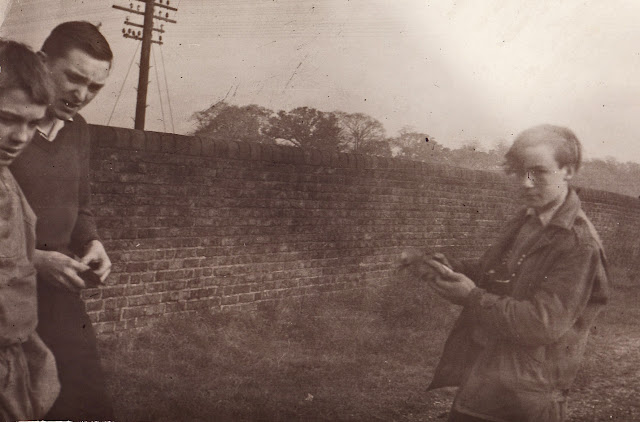
Birding legends have graduated from Beddington such as Peter Grant (pioneer of gull identification and the new approach to identification, author of the Collins Guide) and other well known birders like Richard Porter (OSME), John Burton (CEO of World Land Trust) , Dick Filby (Rare Bird News), Bob Scott (RSPB, Ghana and Bulgaria conservationist etc), Simon Aspinall (author of Birds of the Middle East and as in Simon Aspinall centre in Cley) and many more plus even more important in a local context, the expert localists and local legends like Garry Messenbird, Derek Coleman, Johnny Allan aka Badgeman with a platoon of nick named front liners such as Dodge, Sick Note, Pyro, Kojak, Tank, Bulldog and many more. 

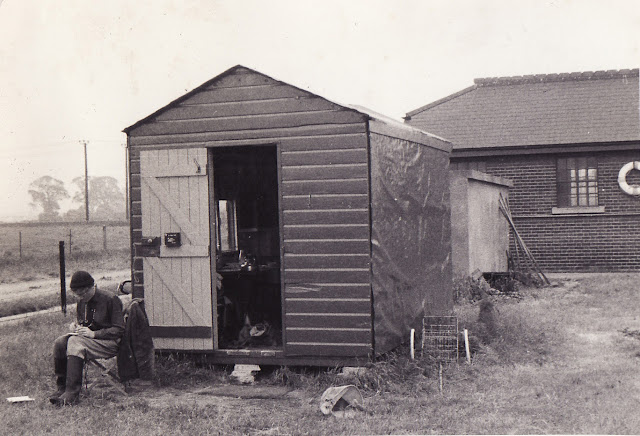
Peter Grant, John Burton and friends (above and below) in the 1960s (the bird group ringing hut below) 

Beddington is a great place to start the birding journey, a journey that has taken others in directions that has changed the entire birding and natural world. Whether it's those that stay local and maintain and evolve the great Beddington Farmlands birding institution itself or those that spread their wings and send Beddington Farmlands ripples round the world.  It's great to see the current 'head boy' continuing the century old tradition and will be great to follow Zach's blog for more teeth cutting in the 'fires of the farm' and Zach also has plans to warden on coastal migration hot spots and pursue a career in birding and nature conservation. This is real deal stuff and will be a good blog to follow. 

ZACH'S BLOG         

All my recommended blogs are down the right hand side bar of this blog when viewed in 'Website view' in both my blog list and the bird obs daily blogs widget. Website view is best to view any blog as includes constantly updating networked links and networked micro-blogging too (e.g. twitter streams). All blogs are part of an information universe (all my recommended blogs link to more recommended blogs)  so phone view is definitely not recommended to read blogs on as only shows individual blog posts and not all the networked information and updates in the side bars- in my case often much more interesting than my posts.